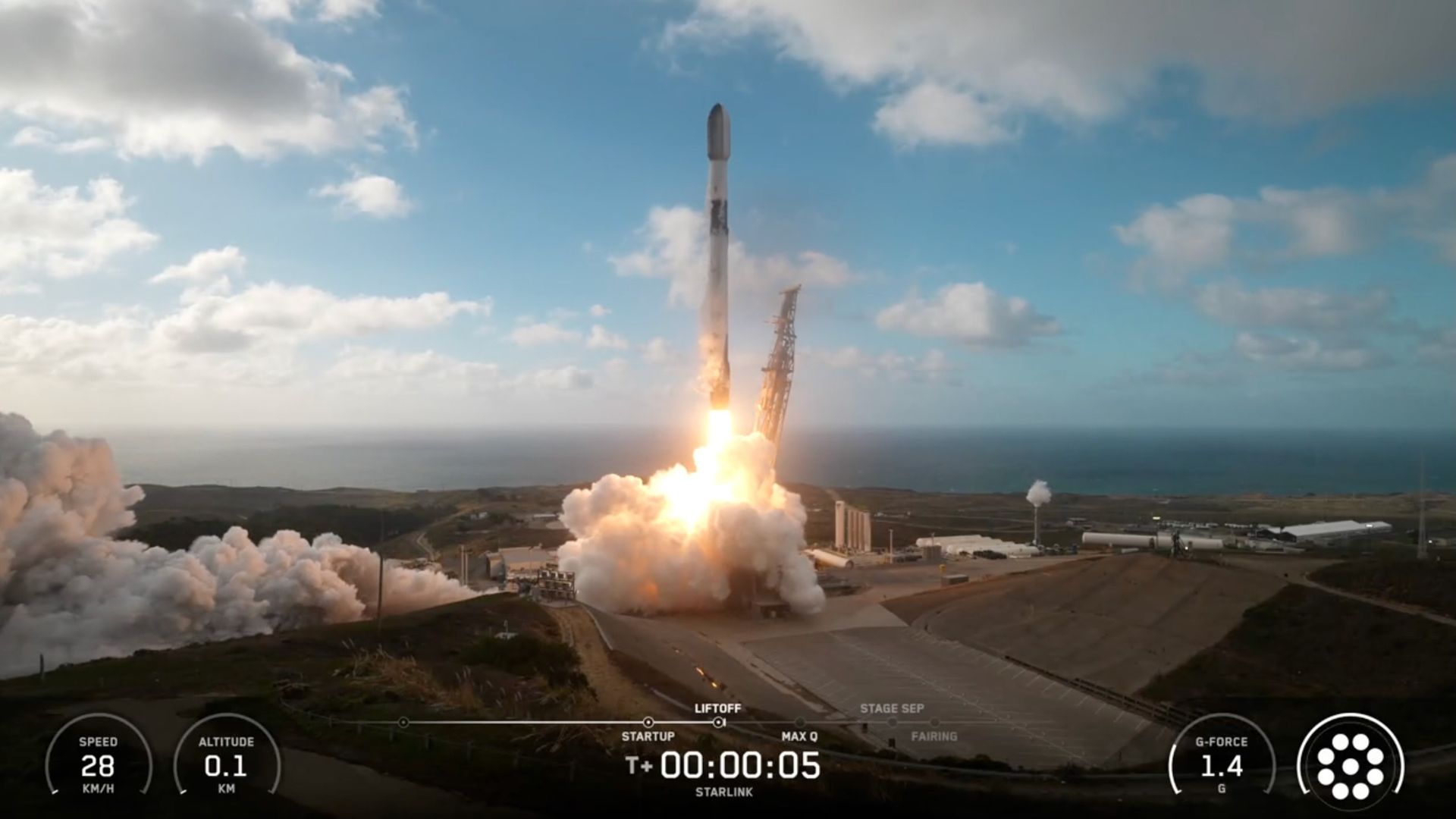
SpaceX launches Starlink satellites from California as Falcon 9 cadence slows (video)
SpaceX sent 27 more of its Starlink broadband satellites to orbit today (Oct. 23), in its first Starlink launch in 11 days.
No. 102 · 40 stories · 5 sources
Launches, missions and the business of orbit
Sunday 25 October 2026
This week’s most consequential developments
SpaceX sent 27 more of its Starlink broadband satellites to orbit today (Oct. 23), in its first Starlink launch in 11 days.
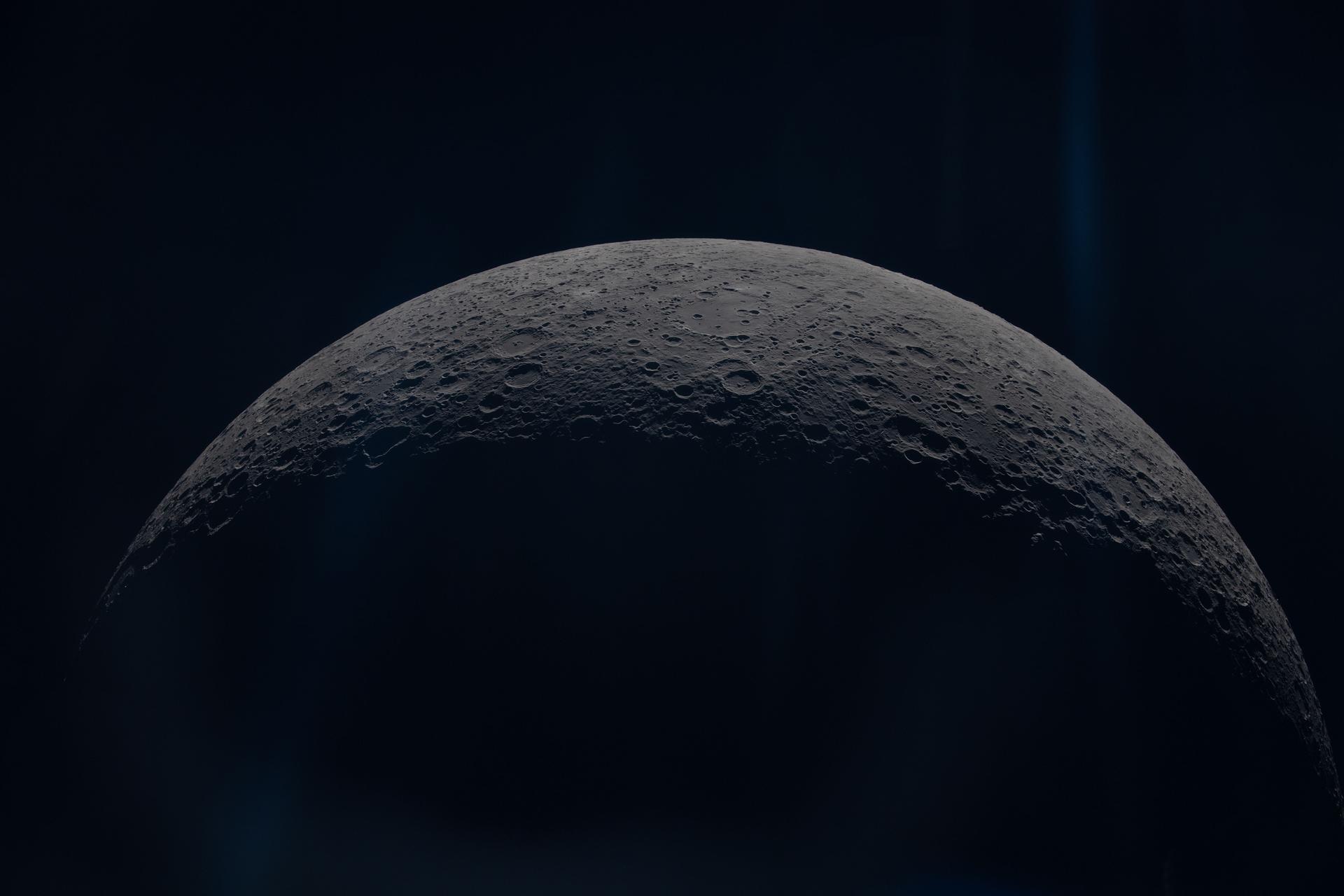
As NASA returns humans to the lunar surface and establishes a long-term presence on our closest celestial neighbor, the agency and commercial human landing system providers Blue Origin and SpaceX have streamlined the designs and changed both concepts of operations for its future crewed landers…
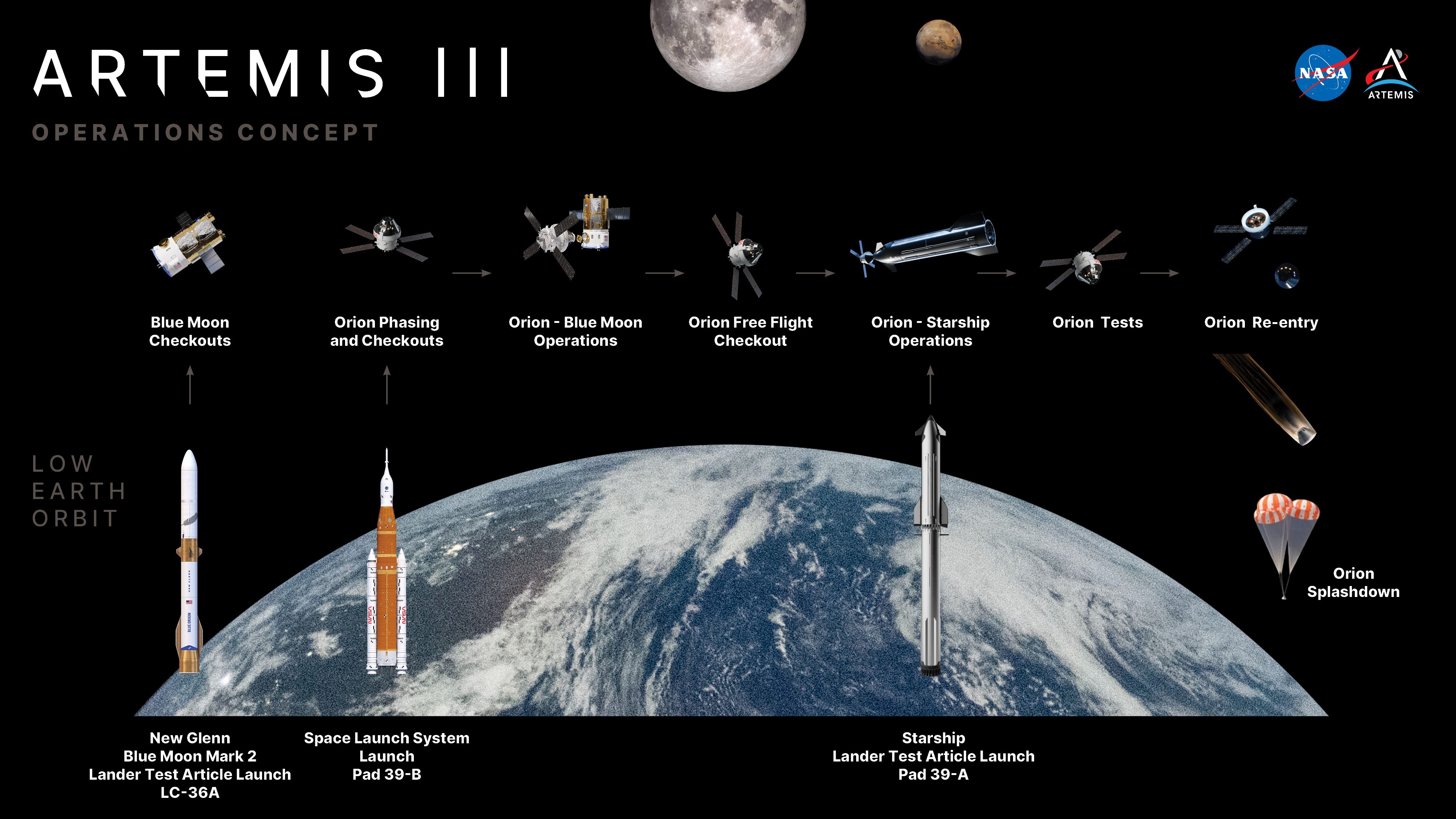
Before astronauts return to the lunar surface, NASA will first conduct one of the most ambitious and complex test missions in the agency’s history.  Launching in 2027, Artemis III will send NASA astronauts Randy Bresnik, Frank Rubio, Andre Douglas, and ESA (European Space Agency)…
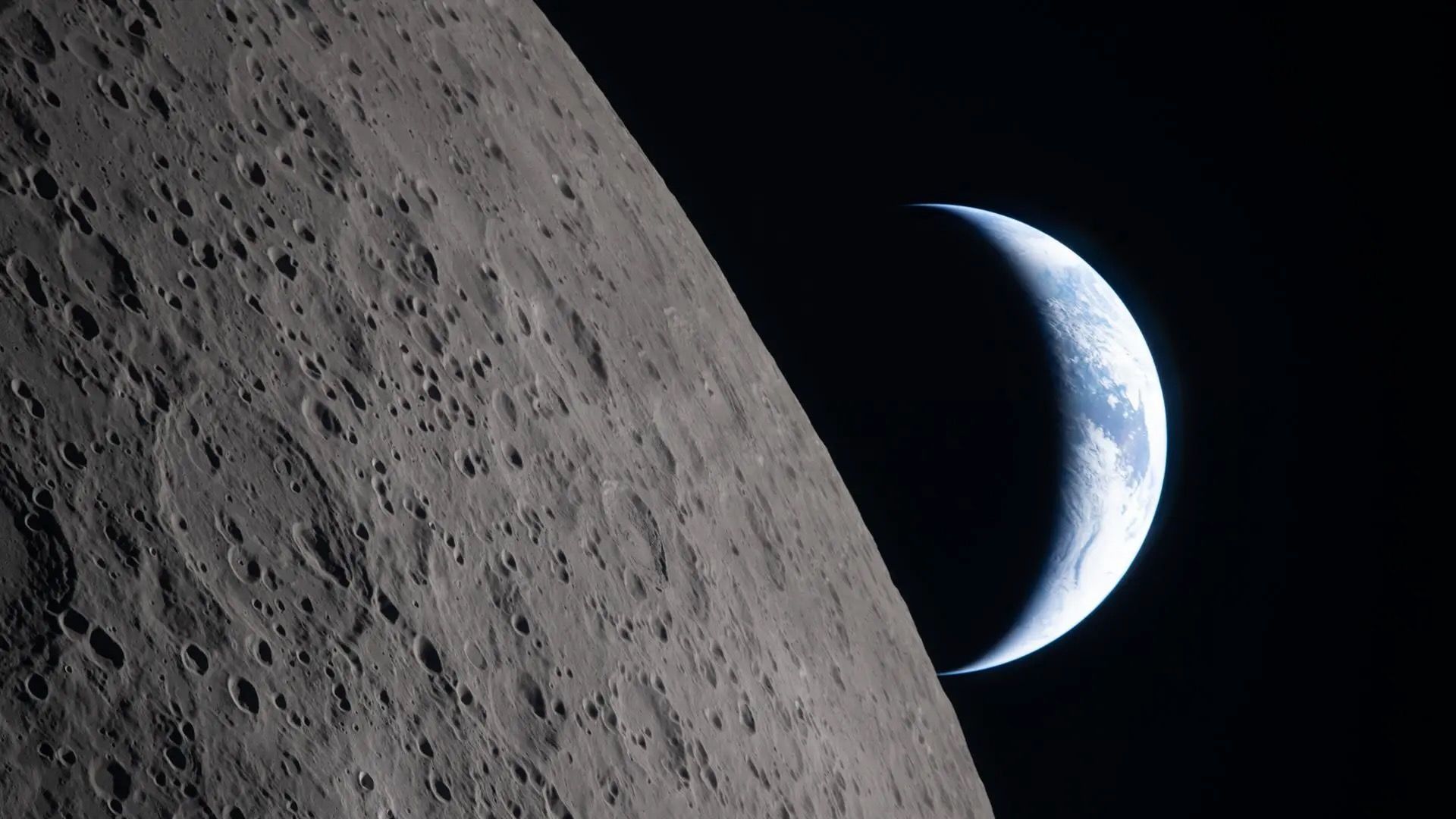
NASA will provide an update about its Artemis III mission and its plans to land astronauts on the moon during a press conference today (Oct. 23). Here's how to watch it live.
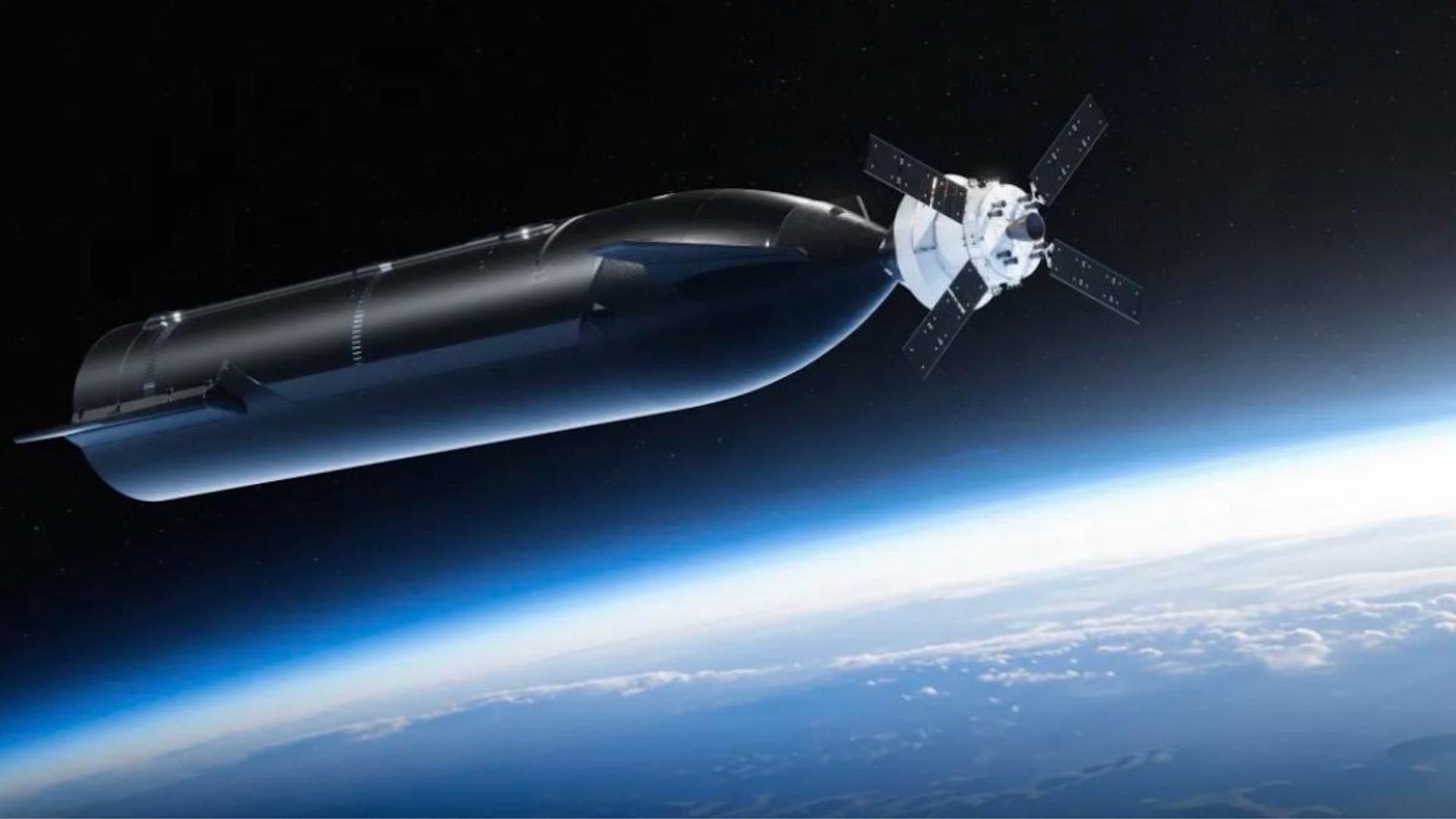
NASA just gave us our best look yet at its Artemis III moon-lander test flight, which is scheduled to launch to Earth orbit next year. But a firm liftoff date has not yet been announced.

NASA’s Neil Gehrels Swift Observatory has ended its science mission now that the spacecraft is orbiting less than 171 miles (275 kilometers) above Earth’s surface. The greater atmospheric drag at this height prevents the satellite’s telescopes from steadily gazing at their astronomical targets…
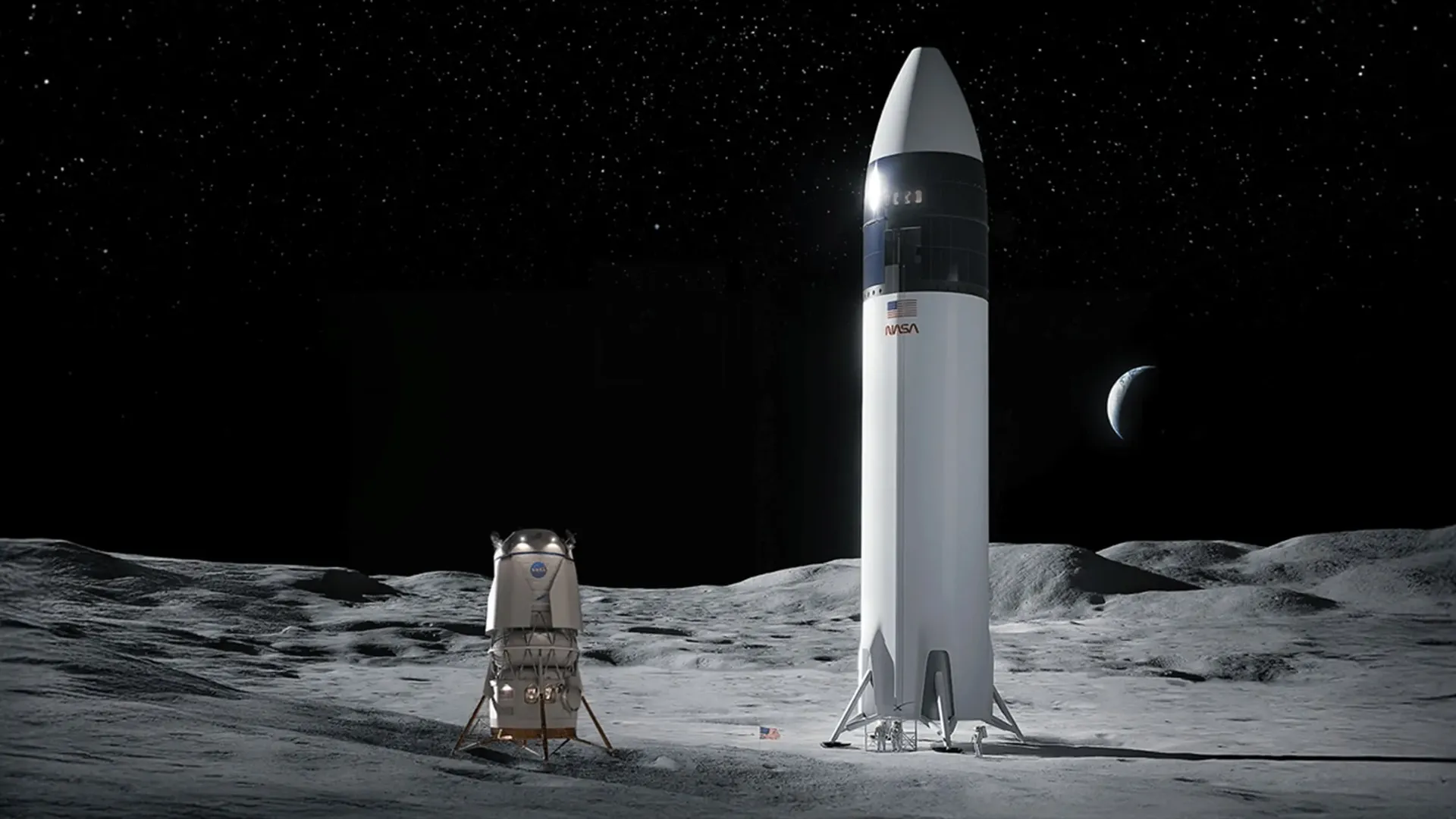
NASA has revised its Artemis III timeline and set out expected progress for the lunar landers being developed by SpaceX and Blue Origin.
Why it matters The dates indicate how close the agency's return to the Moon is, and how far the commercial landers still have to go.

Astronaut Victor Glover describes a suspected cabin leak warning that arrived 15 minutes before a crucial engine burn during Artemis II.
Why it matters It shows how narrowly a single alarm can bear on a crewed mission, and how timing alone affected the outcome.
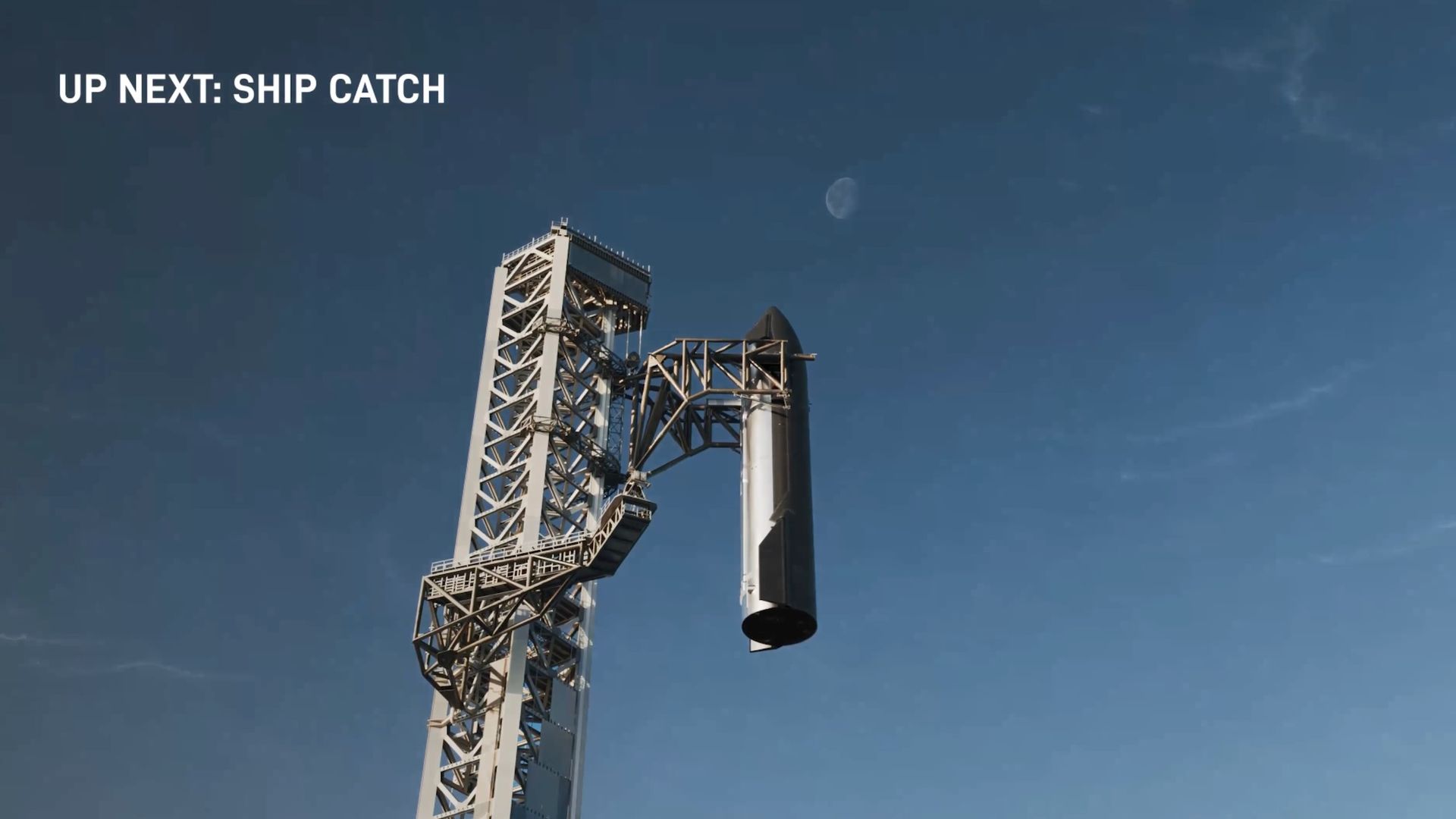
SpaceX plans to recover both Starship stages on the megarocket's next test flight, expected in November, according to Elon Musk.
Why it matters A double recovery would be a major step toward reusing Starship fully, which matters for the cost and pace of future lunar and deep-space missions.

A Falcon 9 has launched the Bandwagon-5 rideshare mission from Florida, following the Transporter 18 flight earlier this month.

SpaceX is preparing its next two Starship test flights, with the company working to close out outstanding milestones before launch.
Why it matters Progress bears on Starship's timetable, the vehicle central to NASA's plans for crewed lunar landings.
Also moving, worth a read

Get ready for the age of private space telescopes. The Lazuli Space Telescope will launch in a few years and part of its mission is to observe exoplanets. New research presents a list of 27 exoplanet targets, some of which are very well-known and will certainly benefit from deeper observations.

NASA released its October Artemis Update on Friday, covering the near-term status of the Space… The post NASA Artemis Update: SLS Stacking, Sortie Suit, Dual 2028 Paths appeared first on NASASpaceFlight.com.
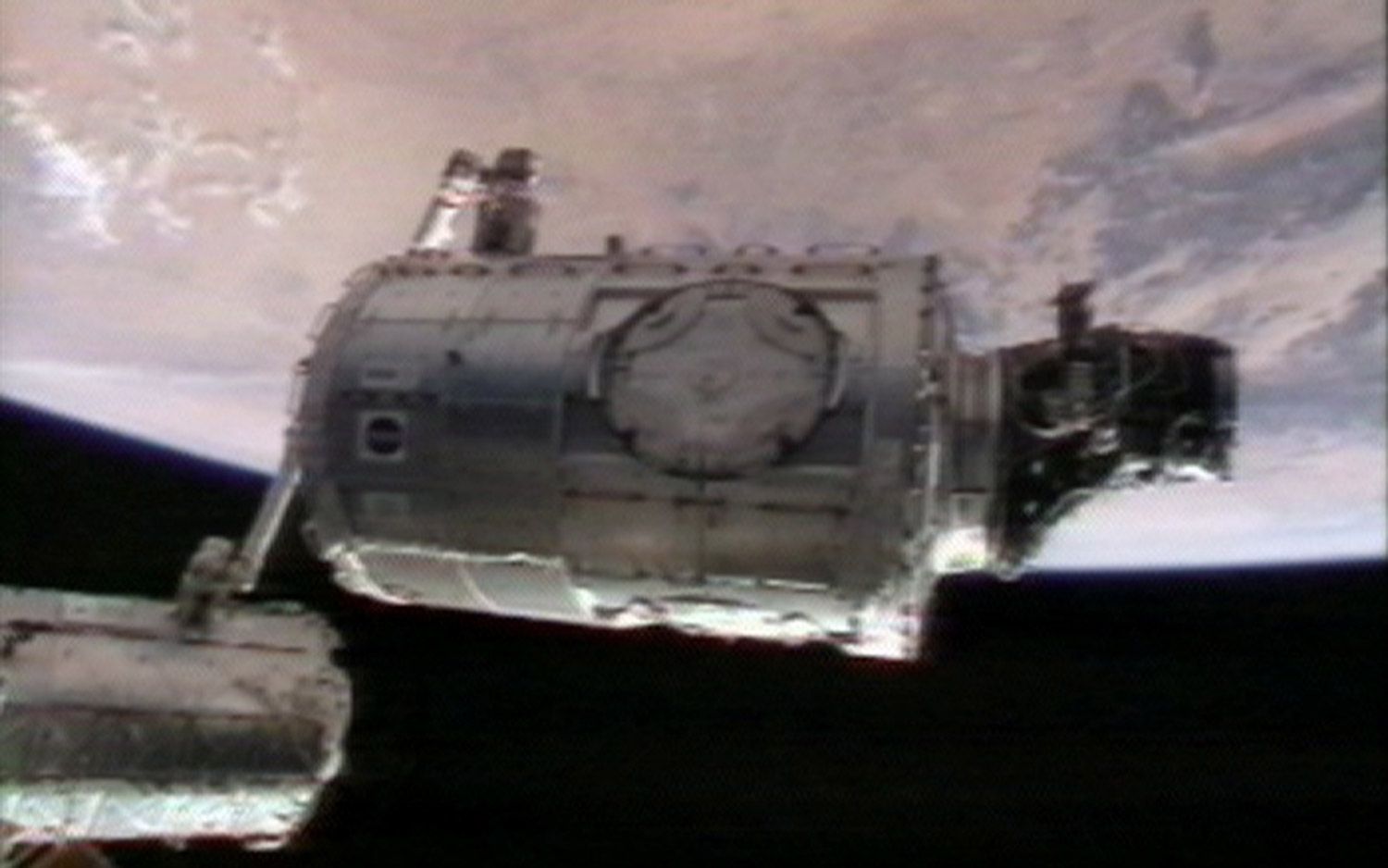
On October 23, 2007, the space shuttle Discovery launched the Harmony module to the International Space Station. Here's why it mattered.
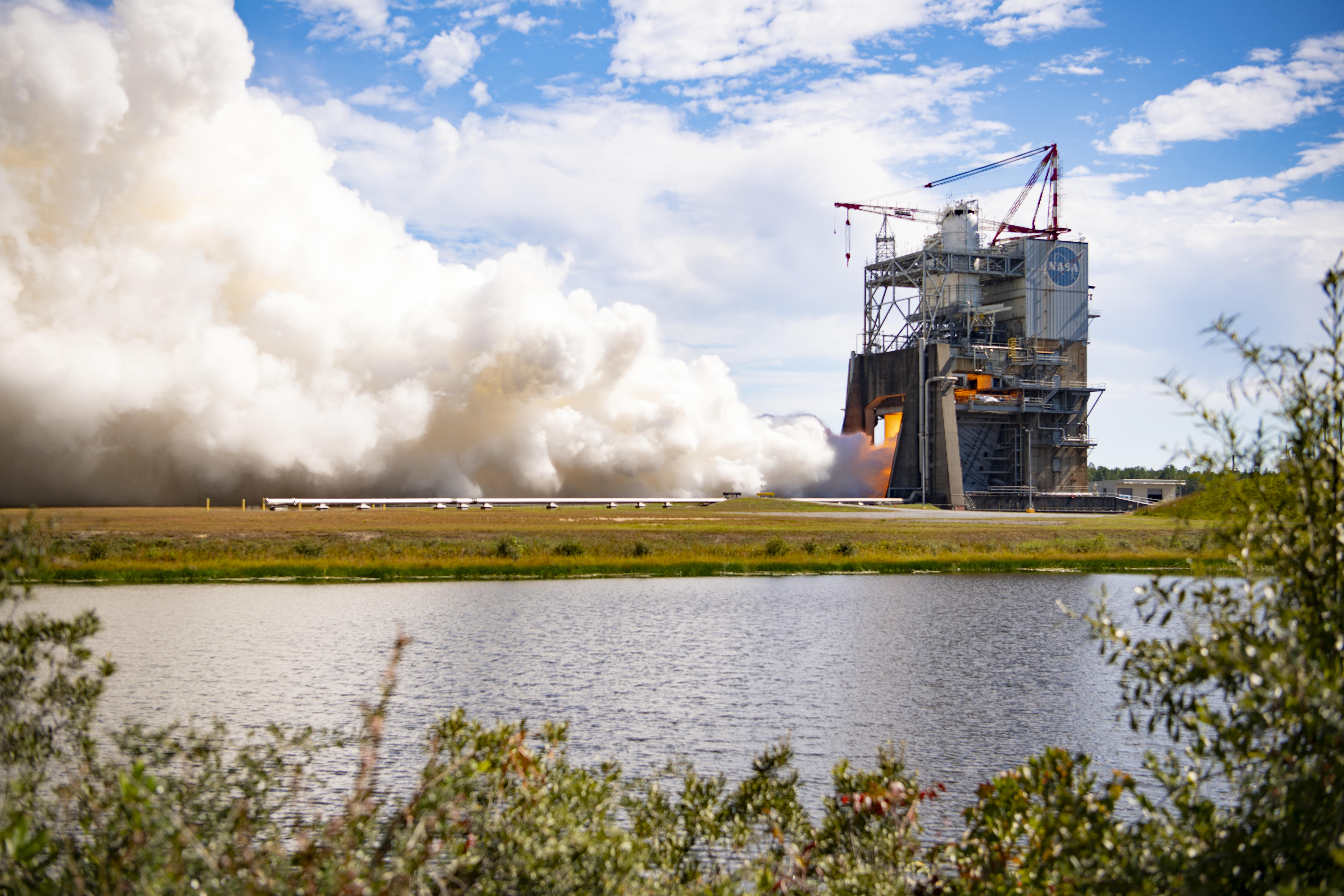
Teams at NASA’s Stennis Space Center near Bay St. Louis, Mississippi tested RS-25 engine No. 10001 on Oct. 21, 2026. The hot fire test lasted for almost eight-and-a-half minutes (500 seconds), the same amount of time RS-25 engines fire during launch of NASA’s SLS (Space Launch System) rocket, with…
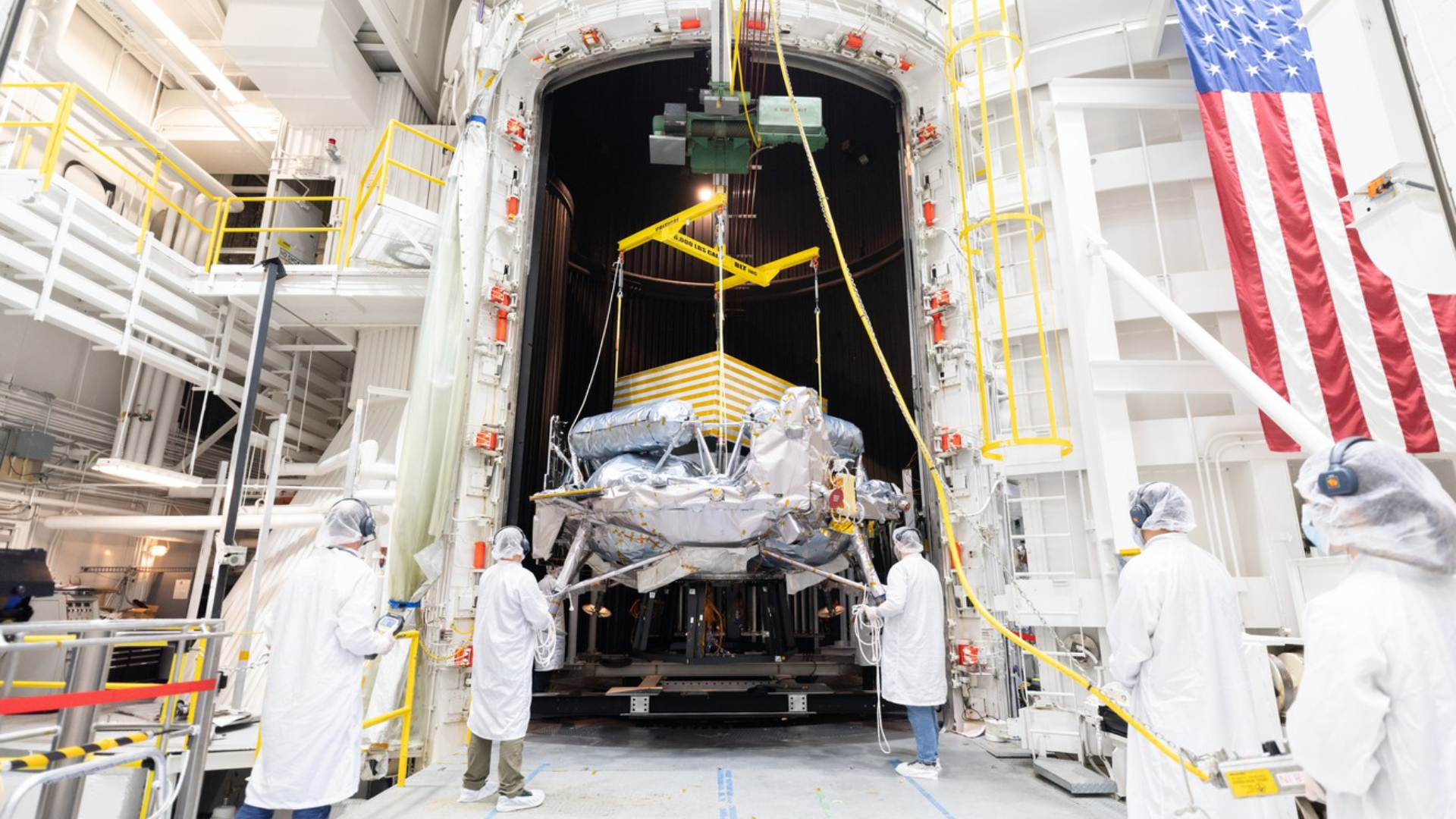
The robotic Griffin lunar lander has passed a host of critical tests ahead of its first-ever moon mission, which is scheduled to launch later this year.
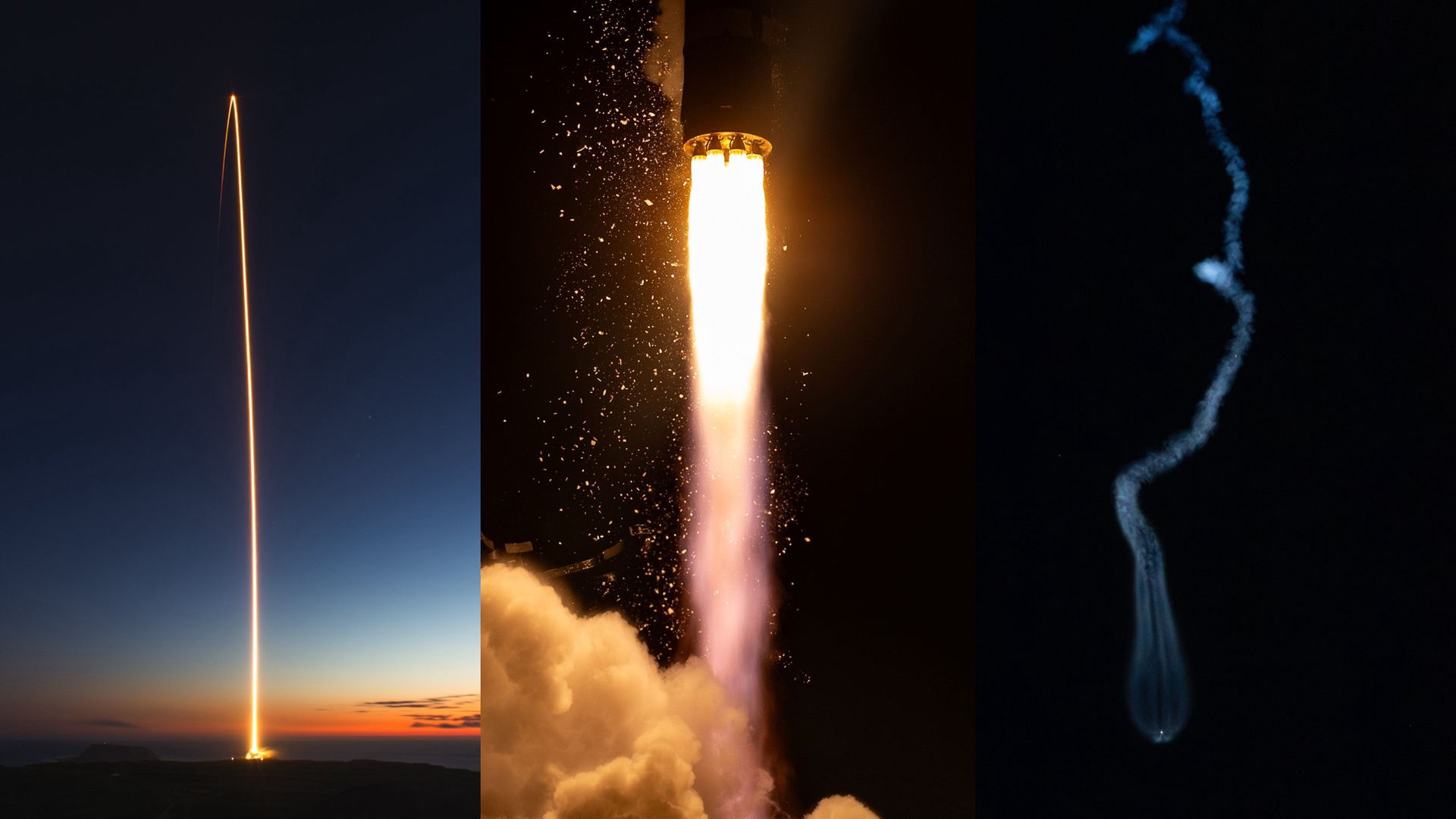
Rocket Lab launched a trio of private signals-intelligence satellites to orbit today (Oct. 21), the 19th mission of the year for the California-based company.
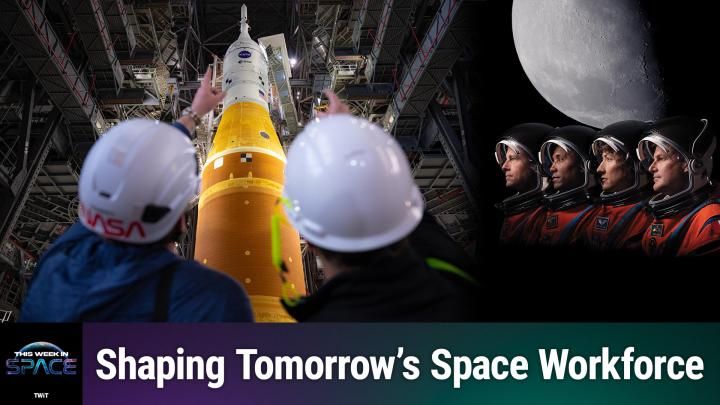
The latest This Week In Space podcast features Tariq Malik and Rick Jenet speaking with Dr Amanda Smith-Hackler of the Universities Space Research Association about careers in the space sector.
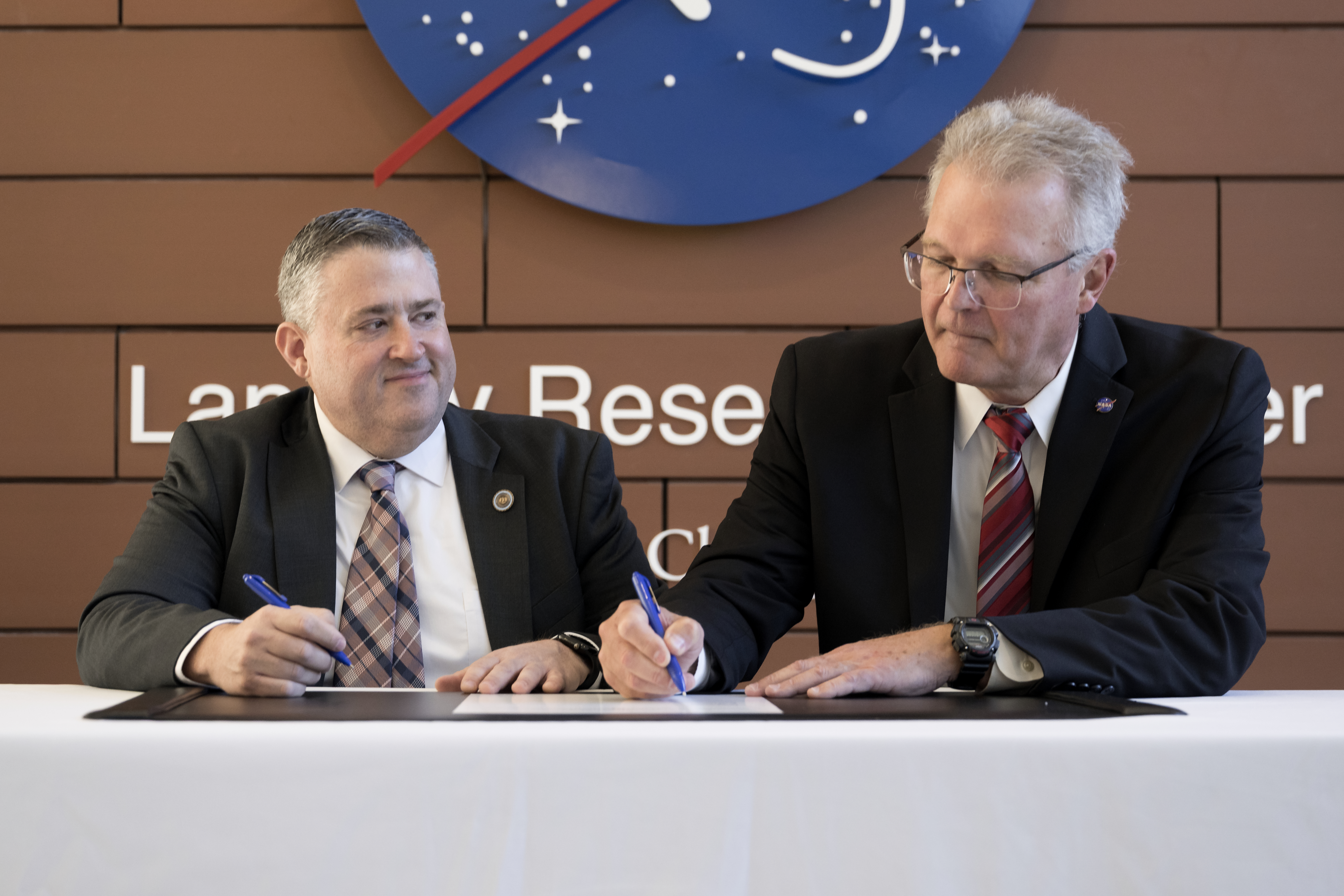
NASA's Langley Research Center in Hampton is working with the Virginia Department of Energy, supplying solar and meteorological data to inform energy generation, delivery and use decisions.
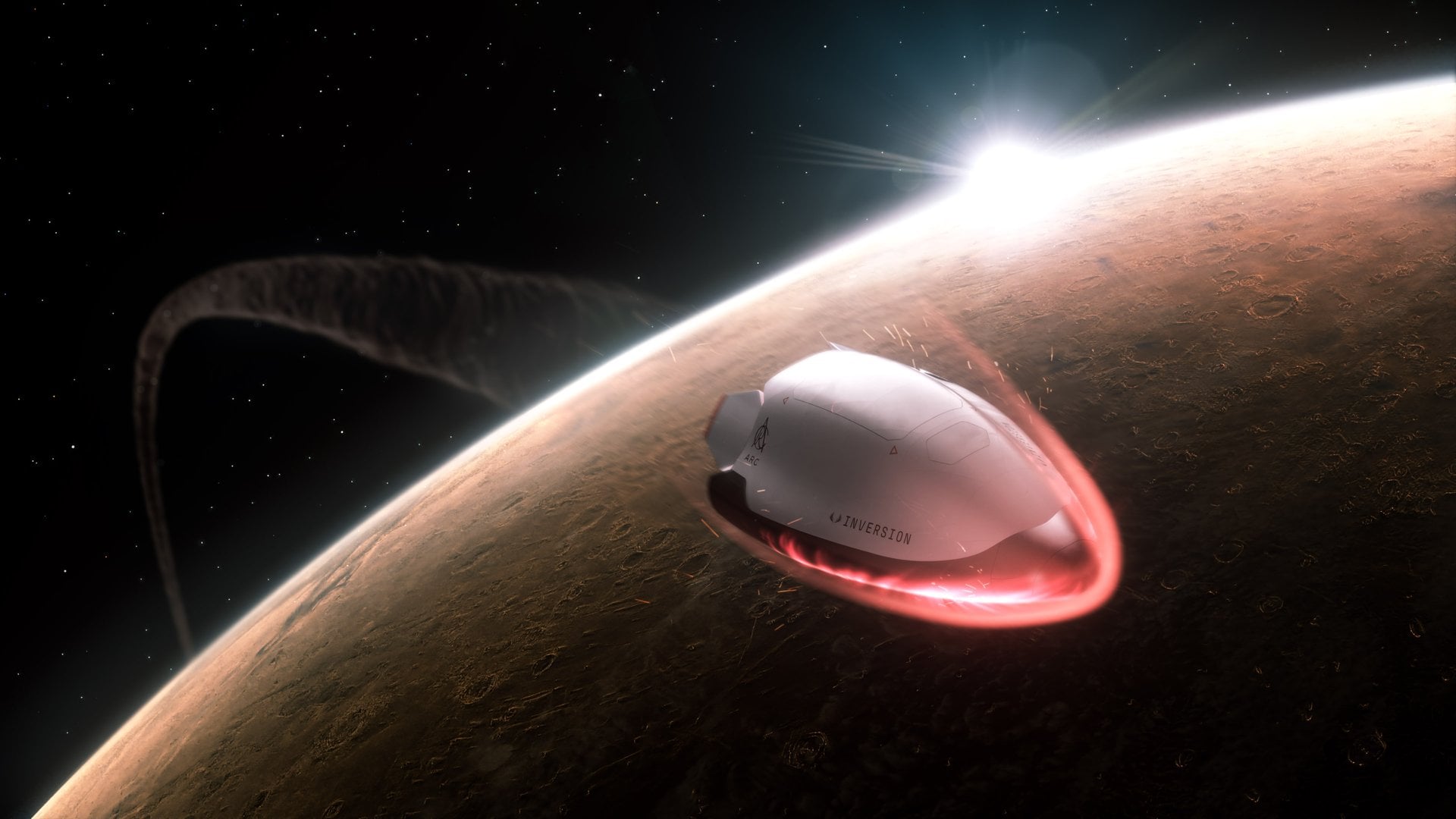
Aerocapture, which slows a spacecraft using a planet's atmosphere to enter orbit without fuel, is difficult because control, thermal and orbital systems must work together; Inversion and NASA are working on it.
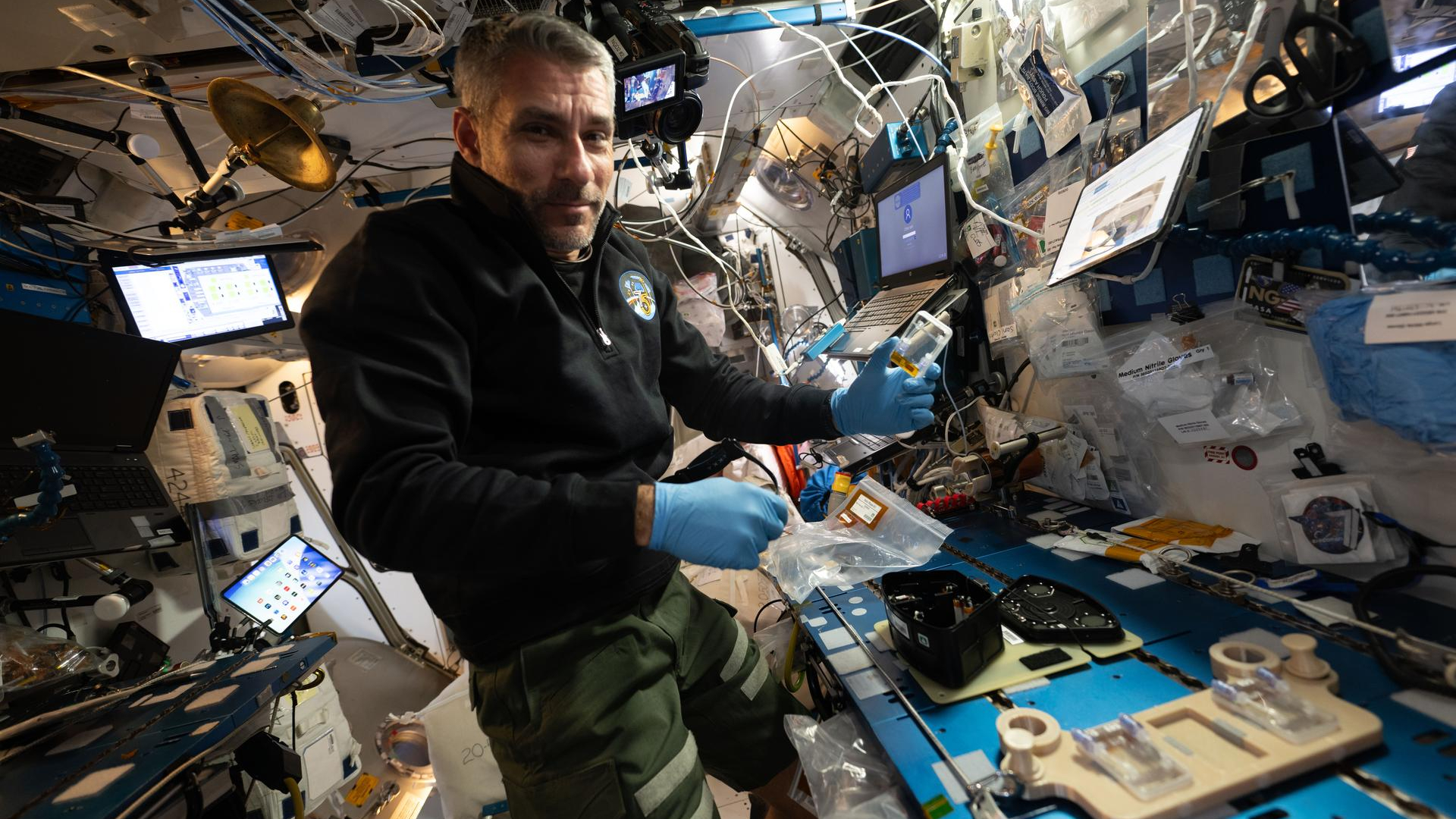
NASA astronaut Luke Delaney is carrying out botany experiments aboard the International Space Station, according to the photo of the day.
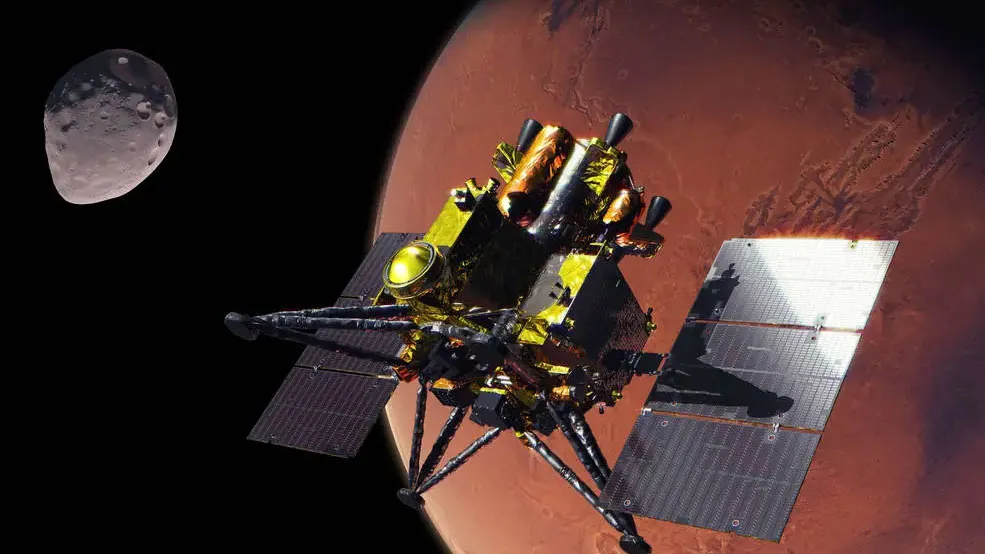
Japan's MMX mission will collect samples from Phobos, testing two rival theories on how the Martian moons formed, before returning them to Earth.

A Hubble image released on 16 October shows the edge-on spiral galaxy NGC 1827, about 37 million light-years away, taken for a satellite galaxy survey.
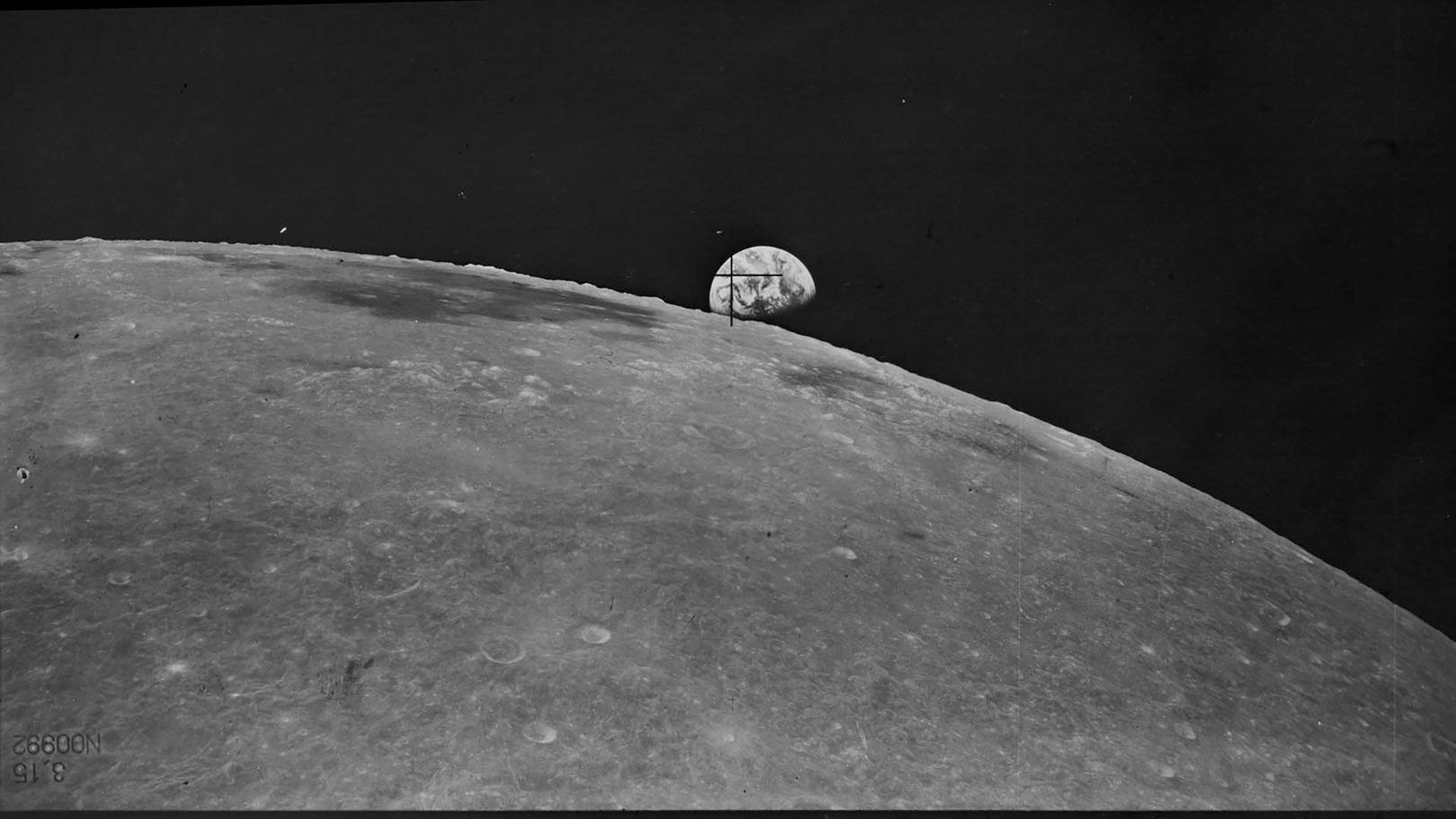
The Soviet Union launched Zond 8 towards the Moon on October 20, 1970, in what was the last of the Zond lunar missions.

Nine rockets are scheduled to launch this week from California, Florida, New Zealand and Japan, including H3, Falcon 9 and Electron.
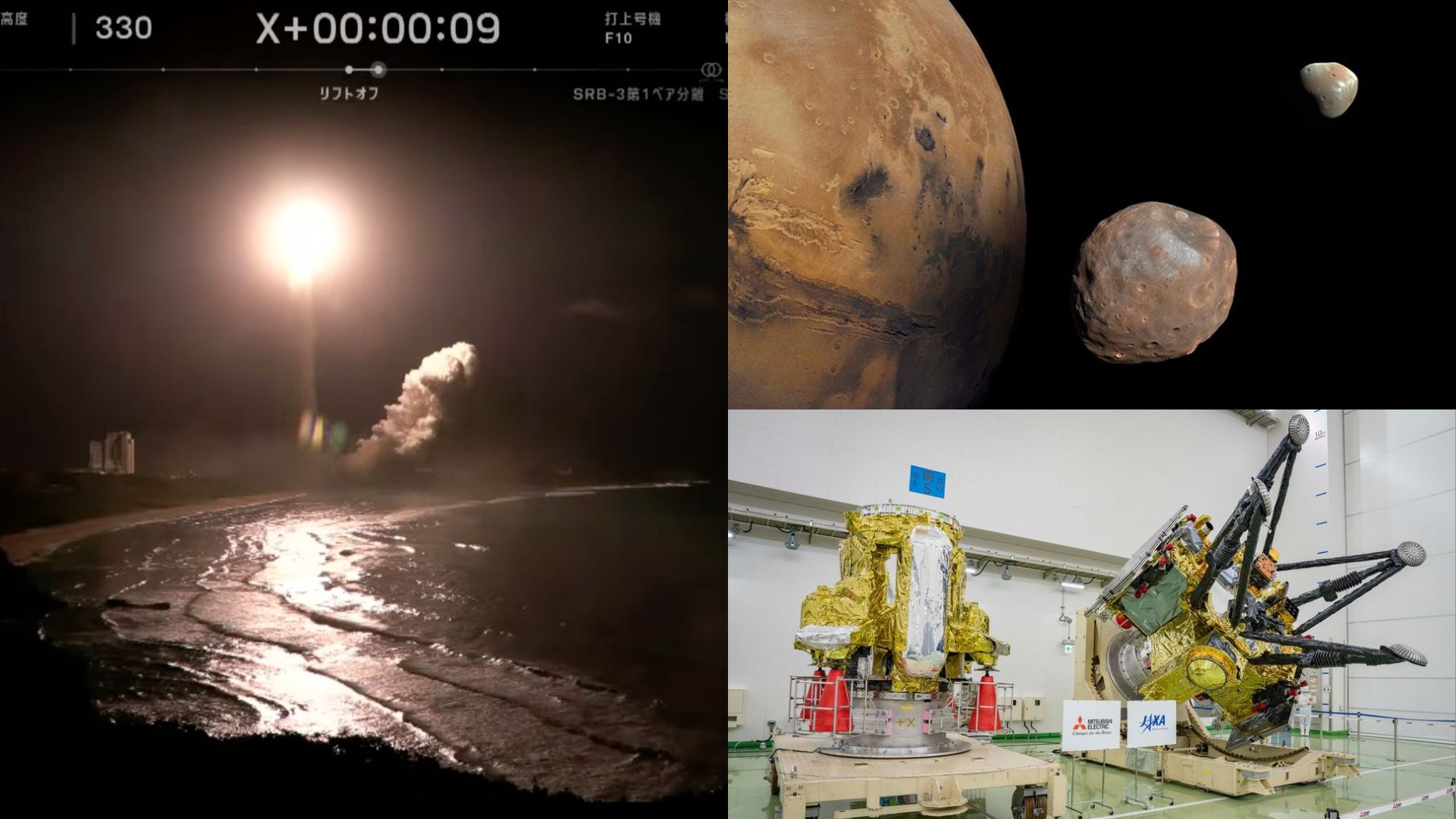
Japan has launched its MMX mission to Mars's moon Phobos, which aims to return samples to Earth, though the report gives no detail on timing of return.
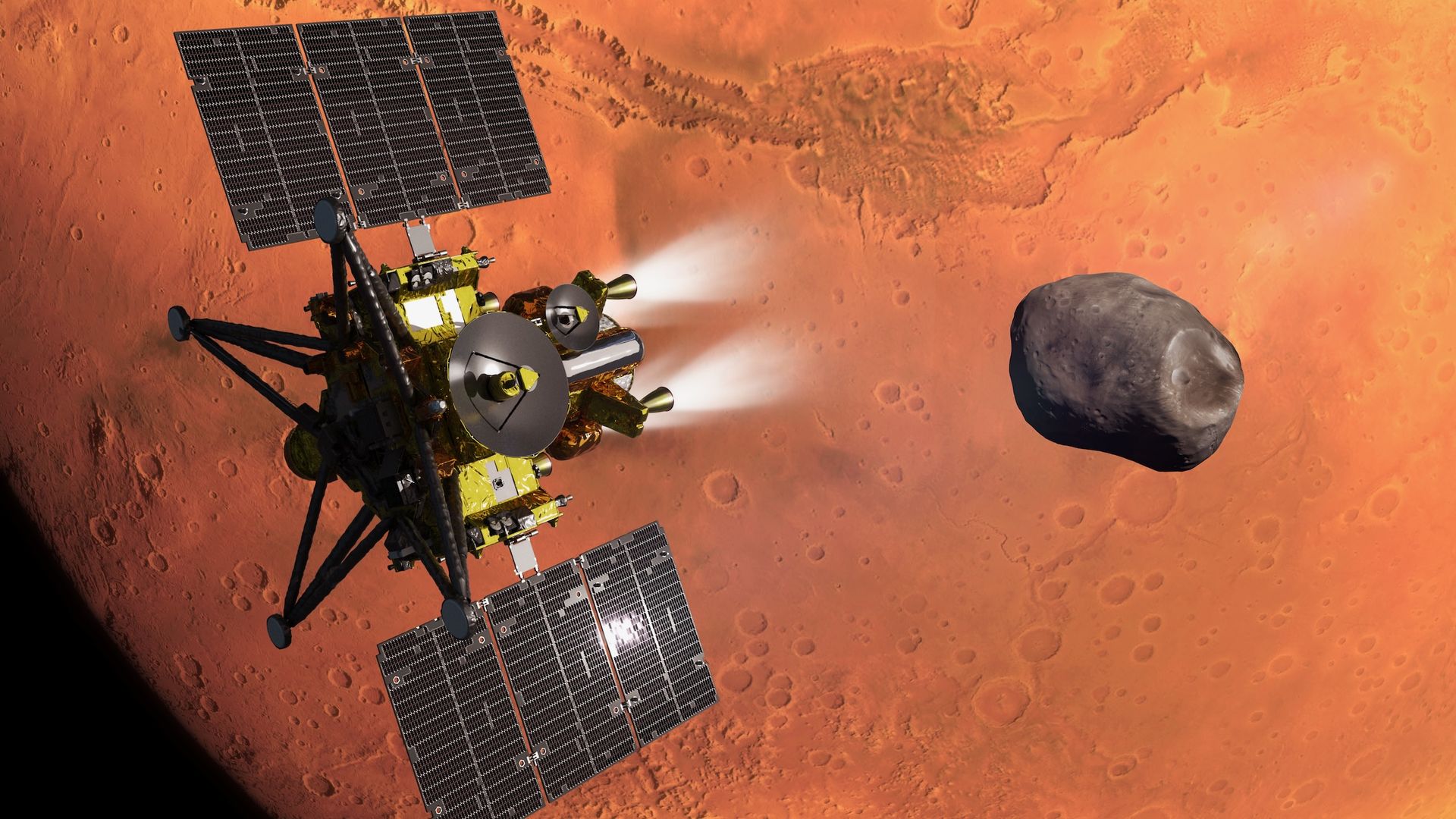
Japan's MMX sample-return mission to Mars was due to launch on October 19, with live coverage available to viewers.
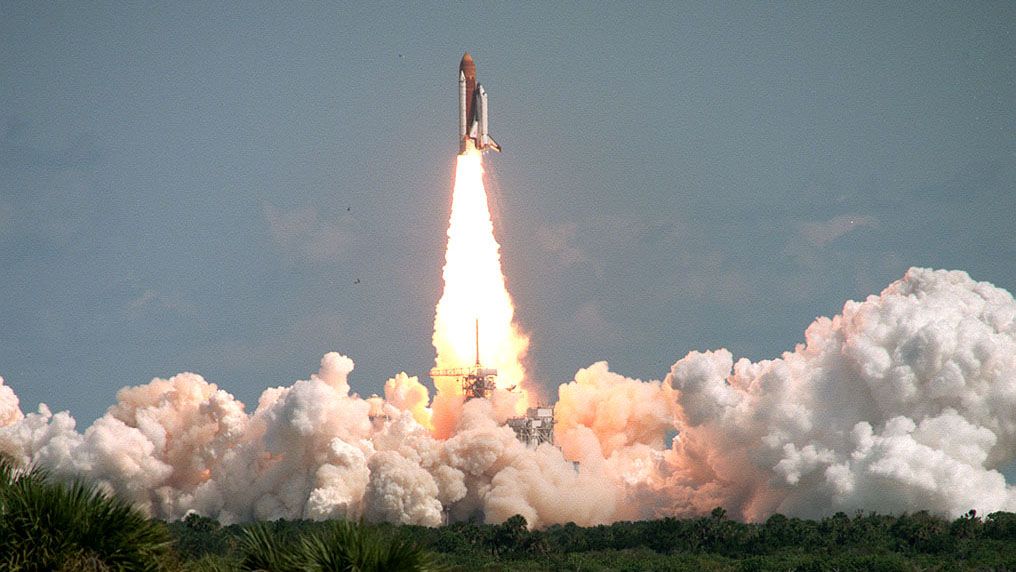
The feature recalls that on 22 October 1992 the shuttle Columbia carried the ashes of Star Trek creator Gene Roddenberry into orbit.
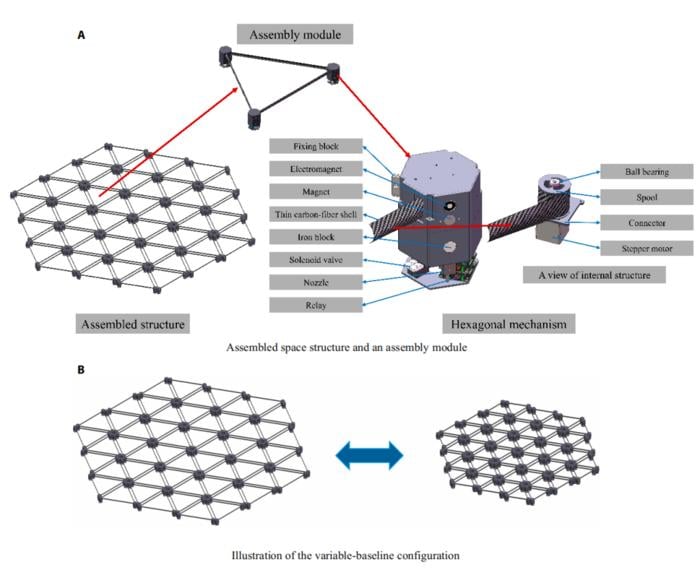
Researchers propose autonomous triangular modules that could be launched and assembled in orbit, getting around the fairing size limit on rockets.

Researchers propose a refundable deposit of around $200,000 for satellite operators, paid before launch, to encourage clean-up and curb the growing orbital debris problem.
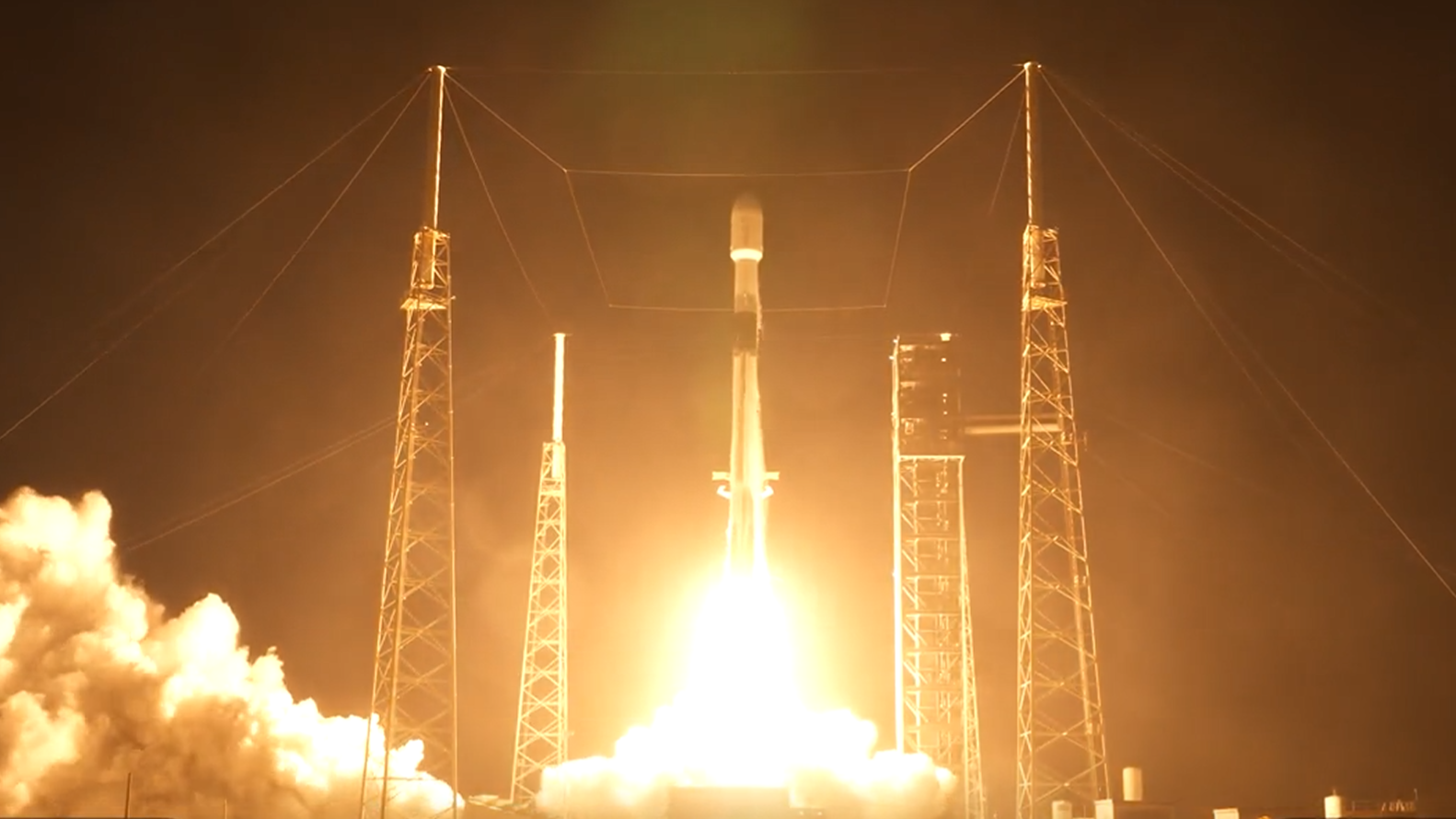
SpaceX sent its Starfall return capsule aloft on the Bandwagon-5 rideshare mission on the morning of 20 October, the second flight of the capsule.
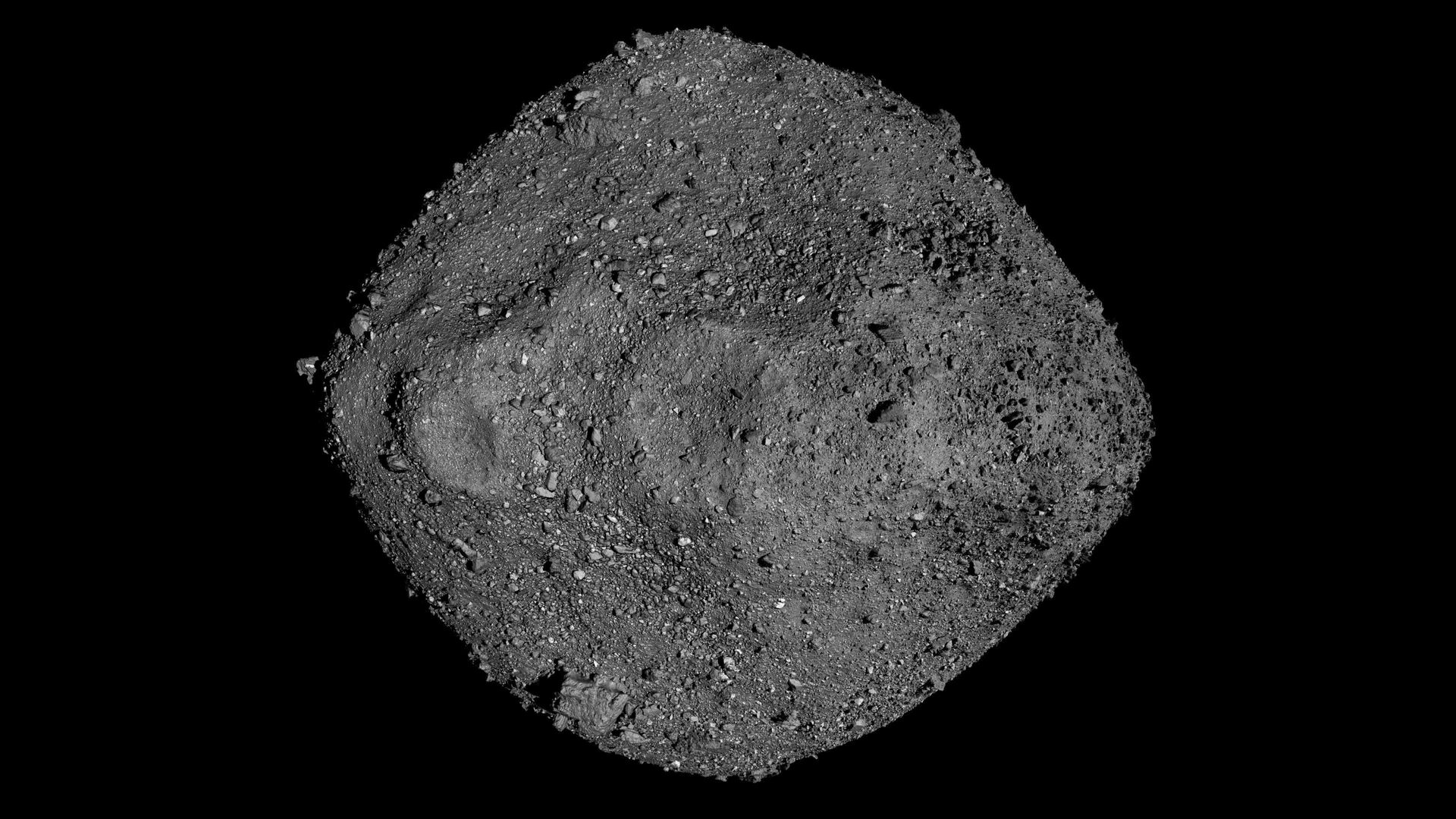
NASA formally ended the OSIRIS-REx mission on 30 September 2026, though scientists will keep studying the asteroid samples it brought back for decades.

Astronomers used NASA's SPHEREx spacecraft to study a group of brown dwarfs, 'failed stars' too small to sustain fusion, drifting alone through space.

The European Space Agency's Sentinel-3 satellite has photographed icy terrain in West Antarctica, including the area around Elephant Island.

An opinion piece paying tribute to Margaret Hamilton, the programmer whose Apollo-era software work helped land astronauts on the Moon.

NASA is inviting journalists to the 2026 von Braun Space Exploration Symposium at the University of Alabama in Huntsville, from 26 to 28 October.
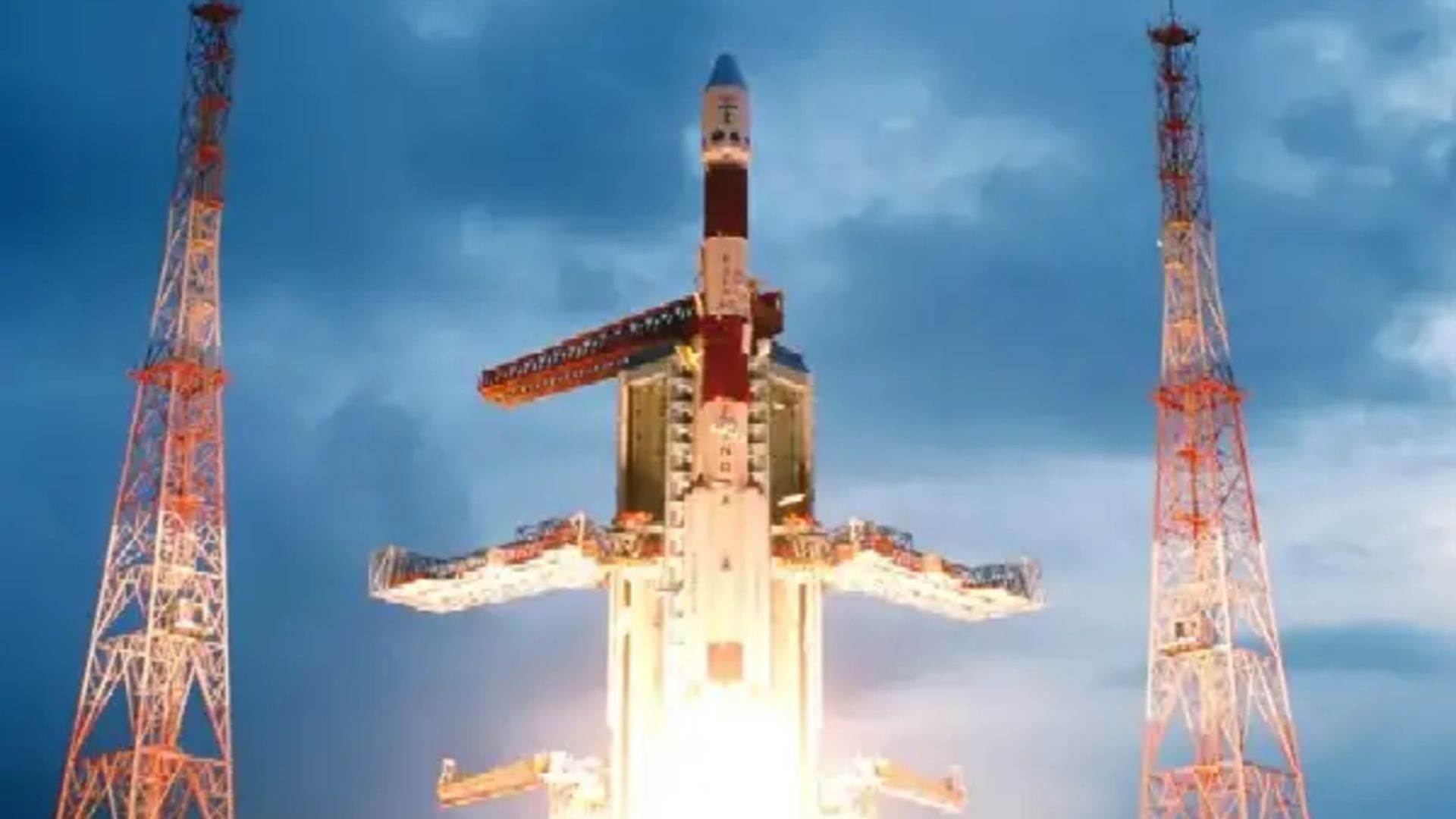
The feature recalls the launch of Chandrayaan-1, India's first lunar mission, by the Indian Space Research Organisation in 2008.

A new trailer for the series Blade Runner 2099 showcases starships and alien worlds, alongside a quoted line about what it means to be human.

Japan's MMX probe has launched towards Mars, where it will study and sample the moon Phobos to learn more about the origins of Mars's moons.
Weak signals worth a glance